At the core of SSRA lies the belief that rigorous data science is the most potent tool for societal transformation. In an era where healthcare challenges—from localized outbreaks to systemic nutritional disparities—are becoming increasingly complex, we provide the technical infrastructure and methodological rigor necessary to turn raw clinical datasets into clear, actionable policy frameworks.
By bridging the gap between high-level statistical theory and grassroots field operations, we empower researchers to move beyond traditional boundaries, fostering a new generation of investigators committed to reproducible, transparent, and high-impact science.
Our institution is built upon the pillars of collaboration and open-access innovation. Whether you are an early-career scholar looking to master biostatistical pipelines or a public health practitioner seeking to validate population-level health interventions, SSRA offers a dynamic ecosystem of shared expertise and secure computing power. We are not just a research hub; we are a dedicated community of practice focused on refining the “science of the numbers” to ensure that every metric we analyze contributes to a tangible improvement in community health equity and global public welfare.
Are you a biostatistician, clinical investigator, or public health researcher? Become an official SSRA collaborator to participate in peer reviews and CRediT attributions.
Become a Research Collaborator ↗Select an active structural domain block below to investigate our end-to-end data pipelines, real-world methodology tracking frameworks, and field operations.
Bridging biological computing pipelines with population dynamics, disease modeling, and modern field data ecosystems.
Transforming complex computational math and spatial distributions into clear public policy guidelines.
Nurturing young clinical investigators and providing reproducible open-access methodologies worldwide.
Sankhyatraya Science and Research Association (SSRA) is a not-for-profit, independent research organization committed to advancing science, health, and societal well-being through rigorous research, data-driven insights, and interdisciplinary collaboration. Established under Section 8 of the Indian Companies Act, 2013, SSRA fosters interdisciplinary collaborations among researchers, policymakers, and communities to address pressing challenges the society is facing today. Through clinical data management, predictive structural analytics, and baseline capacity building, we consistently strive to extract insights that inform regional policies and optimize healthcare equity frameworks.
SSRA envisions becoming a premier institution for interdisciplinary research, knowledge generation, and innovation that addresses the critical challenges of today's world. We aspire to create a dynamic platform where science, data, and societal insight converge to improve health outcomes, protect the environment, and empower communities through open-access frameworks.
Our mission is to advance the frontiers of knowledge through high-quality research, capacity development, and strategic stakeholder agreement across health sciences, environmental monitoring fields, and data analytics. We aim to nurture young researchers, promote open access to scientific data, and empower data-driven decision-making processes.
Interdisciplinary Expertise: SSRA unifies experts across health informatics, math modeling, environmental health sciences, and predictive analytics.
Commitment to Quality: We strictly adhere to gold-standard international research guidelines, analytical transparency protocols, and peer-review rigor.
Infrastructure Framework: While our physical footprint scales out across data hubs, SSRA operates efficiently via secure high-performance computing pipelines, remote data aggregation models, and collaborative web structures.
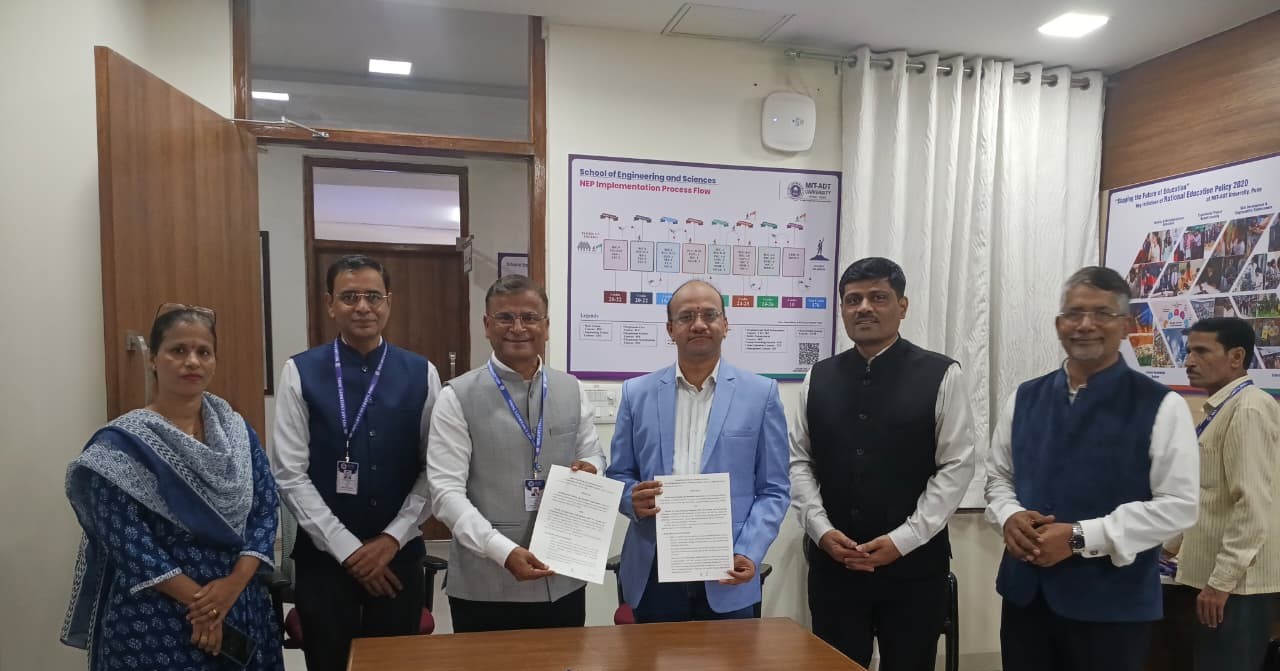
Strategic Collaborations & Partnerships: Current multi-university data partnerships and institutional updates are managed seamlessly in background pipelines (Status: In Process).
As mapped out in our master architecture documentation , our regulatory framework separates long-term policy formulation, independent scientific screening, and core executive administrative units to preserve strict structural transparency and accountability lines.
Domain: Policy & Governance
Acts as the supreme tier driving macro institutional policies, multi-year strategic guidelines, statutory compliances, and structural scaling pathways for long-term health innovations.
Domain: Overall Governance
Oversees everyday structural deployment operations, coordinates resource configurations, manages multi-institutional infrastructure targets, and directly reviews chief execution mandates.
Scientific Advisory Boards (National & International)
Parallel specialist committees providing continuous methodological vetting, monitoring statistical computing protocols, and checking design reliability lines across international parameters.
Ethics & Research Oversight Committee
An completely independent internal framework tasked with enforcing absolute trial safety, human participant protections, data encryption protocols, and bio-ethical research standards.
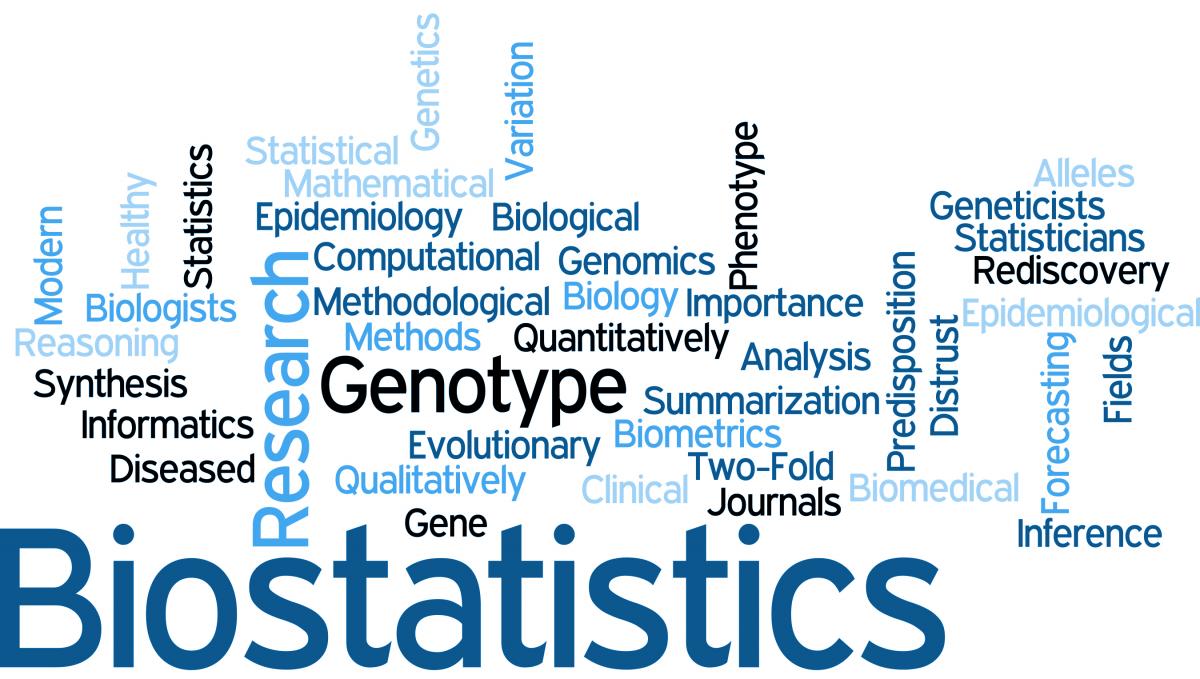
The Department of Biostatistics is dedicated to advancing statistical methodologies for biological and health data analysis, bridging the gap between statistical theory and practical applications in clinical research and epidemiological studies. By building and executing rigorous mathematical frameworks, our work focuses on specialized areas such as growth curve diagnostics, high-performance Monte Carlo data models, longitudinal risk indexing, and robust survey integration parameters. Ultimately, our mission is to develop innovative statistical solutions, conduct rigorous research, and train the next generation of biostatisticians to address complex health challenges through evidence-based approaches.
PhD in Biostatistics | Visiting Scientist
| Year | Article Reference Details | Scope |
|---|---|---|
| 2025 | Gray AP, Chung E, ..., Naga Rajeev L, ..., Naghavi M. Global, regional, and national sepsis incidence and mortality, 1990-2021: a systematic analysis. Lancet Glob Health. 2025. | International |
| 2025 | Rathod H, Naga Rajeev L. Underweight in adults: Time for ethnic-specific criteria? Asia Pac J Clin Nutr. 2025. | International |
| 2024 | L NR, Johnson S, Rajan H, Kaushik PB. Exploring the Global Legacy of Professor Calayampudi Radhakrishna Rao: A Review of His Life and Biostatistical Contributions. Cureus. 2024. | International |
| 2024 | Rajeev LN, Rathod H, Borgaonkar CA. BMI-for-age versus weight-for-height metrics: does thinness and overweight/obese be reconsidered in under-five children? J Paediatr Child Health. 2024. | International |
| 2024 | George F, Rajeev LN, Bandyopadhyay S, Baby J, Sinha S, Sachdev HS, Kurpad AV, Thomas T. The role of dairy consumption in the relationship between wealth and early life physical growth in India: evidence from multiple national surveys. BMC Public Health. 2024. | International |
| 2023 | Naga Rajeev L, Saini M, Kumar A, Osmond C, Sachdev HS. Comparison of Weight for Height and BMI for Age for Estimating Overnutrition Burden in Under-Five Populations With High Stunting Prevalence. Indian Pediatr. 2023. | National |
| 2022 | Naga Rajeev L, Saini M, Kumar A, Sachdev HS. Dissimilar Associations Between Stunting and Low Ponderosity Defined Through Weight for Height (Wasting) or Body Mass Index for Age (Thinness) in Under-Five Children. Indian Pediatr. 2022. | National |
| 2022 | Naga Rajeev L, Saini M, Kumar A, Sinha S, Osmond C, Sachdev HS. Weight-for-height is associated with an overestimation of thinness burden in comparison to BMI-for-age in under-5 populations with high stunting prevalence. Int J Epidemiol. 2022. | International |
Advanced trajectory estimation using robust mixed-effects spline systems.
Implementation of advanced probability math structures across adaptive parameters.
Application of dynamic sampling metrics for multi-node analytical validations.
Developing clean standardized evaluation criteria for large-scale data monitoring.
Analysing environmental determinants of disease patterns to guide preventive public health interventions.
Combining space and time analytics to map disease spread and quantify dynamic risk patterns.
Collaborations are currently being updated.
M.Sc. in Statistics | Research Analyst
Collaborations are currently being updated.
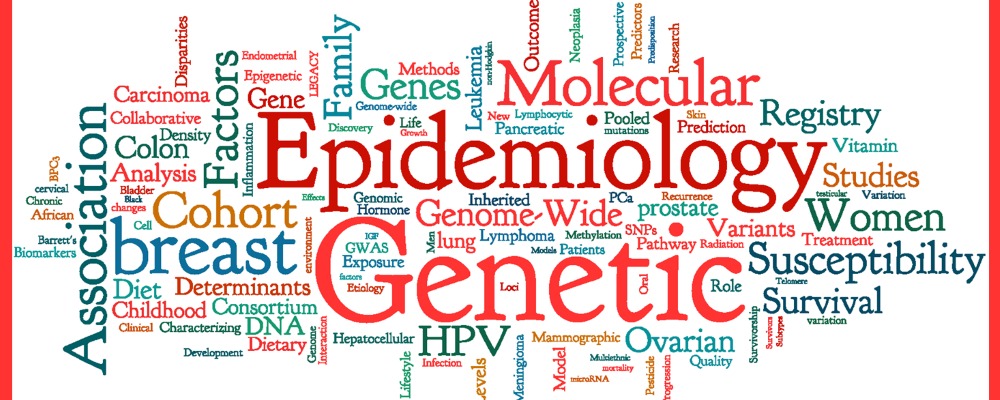
The Department of Epidemiology and Public Health is dedicated to understanding health patterns in populations, identifying disease determinants, and developing evidence-based interventions to improve community health outcomes. By managing comprehensive disease tracking workflows, healthcare delivery analytics, public nutritional studies, and socio-environmental risk reviews, we strive to minimize delivery disparities and translate microdata profiles into executable health solutions. Our mission encompasses conducting robust population health research, implementing preventive strategies, and training healthcare professionals to address pressing public health challenges through diligent epidemiological surveillance and proactive policy development.

MD in Community Medicine | Visiting Scientist
| Year | Article Reference Details | Scope |
|---|---|---|
| 2025 | Ghonge S, Rathod H, Banerjee A, et al. Prevalence of deficiencies of serum vitamin D3 and vitamin B12 among urban and rural population in and around Pune, India: An observational study. J Family Med Prim Care. 2025;14(4):1231-1237. | National |
| 2024 | Bushi, G., Vajjala, S. M., Irfan, F. B., et al. One health implications of bovine leukemia virus seroprevalence: a global systematic review and meta-analysis. The Evidence, 2(2). | International |
| 2024 | AB Amaljith, Dey, D., Beig, M. A., et al. Anemia, a risk factor for gastroenteritis among the elderly in India: evidence from the LASI cohort. The Evidence, 2(3). | International |
| 2024 | Ghonge S, Vajjala SM. Advancing insights into non-alcoholic fatty liver disease: A critical analysis of ultrasonography and beyond. J Family Med Prim Care. 2024;13(8):3461-3462. | National |
| 2024 | Madamanchi D, Gangurde S, Rathod H, et al. The Plight of Healthcare Providers in Managing and Preventing Sexually Transmitted Infections (STIs)/Reproductive Tract Infections (RTIs): A Qualitative Study. Cureus. 2024;16(8):e66162. | International |
| 2024 | Gangurde S, Shivale S, Rathod H, Vajjala SM. Exploring the Determinants of Tobacco Usage Among Adolescents: A Cross-Sectional Study in Western Maharashtra. Cureus. 2024;16(8):e66755. | International |
| 2023 | Raman B, Banerjee A, Vajjala SM. Quantification of COVID-19 Vaccine Coercion in India: A Survey Study. Cureus. 2023;15(11):e48638. | International |
| 2023 | Vajjala SM, Shivale SJ, Ghonge S, Madamanchi D. Preventing Tragedies Through Immunization: The Importance of Education and Access. Natl J Community Med 2023;14(10):700-701. | National |
| 2023 | Shivale SJ, Madamanchi D, Akhila BS, Vajjala SM. Comprehensive Approach to Address Anaemia: Beyond Conventional Methods. Natl J Community Med 2023;14(11):781-782. | National |
| 2023 | Borgaonkar C, Lakhute S, Vajjala SM, Shivale SJ, Nagar A, Nallapu S. Mobile usage among degree college students in industrial township of western Maharashtra - "A descriptive study". Ind Psychiatry J. 2023;32(Suppl 1):S157-S160. | National |
| 2023 | Chauhan S, Vajjala SM, Ghonge S. Polio Vaccines: A Crucial Step Towards Eradication and Sustaining Immunity. Health Serv Insights. 2023;16. | International |
| 2023 | Vijay GS, Ghonge S, Vajjala SM, Palal D. Prevalence of Vitamin D Deficiency in Type 2 Diabetes Mellitus Patients: A Cross-Sectional Study. Cureus. 2023;15(5):e38952. | International |
Collaborations are currently being updated.
A rigorous 12-week professional path designed for health researchers, clinical care practitioners, and life-science graduates seeking a robust, reproducible entry framework into statistical computing operations.
Duration: 12 Weeks (Beginner to Intermediate)
Target Eligibility: Healthcare Professionals, Life Science Graduates, Public Health Researchers, MBBS/BDS, Nursing and Allied Sciences cohorts.
An enterprise-tier 12-week blueprint designed to build mastery over multi-variable mathematical models, complex censoring models, meta-regression, and structural health data engineering challenges.
Duration: 12 Weeks (Advanced Track)
Prerequisite Standard: Equivalent background knowledge profiles or completion of our introductory track framework.
SSRA coordinates continuous exploratory investigations designed to extract and validate evidence-based models across maternal safety indicators, regional nutrition data grids, environmental hazard monitoring pipelines, and systematic health data mappings.
Our biostatistical innovation modules continuously review national public datasets to correct systemic structural imbalances (e.g., assessing child health anthropometric metrics, stunting parameters, and low ponderosity indicators) to update data-driven health policies.
| Active Research Target Channels | Completed Structural Implementations |
|---|---|
| Section is currently in development phase | |
Our international and national subject matter experts ensure our research methodologies maintain structural integrity and clinical reliability.
Expert oversight across study design, analytics, and publication quality.
Combining national context with international evidence for stronger research impact.
Academic leadership and field experience strengthen our advisory guidance.
Explore our upcoming training sessions and look back at completed workshops that strengthen SSRA’s evidence-driven community of investigators.
We are not actively accepting recruitment updates or fellowship profiles through this portal at this immediate time frame.
Please check back periodically for updated institutional vacancy updates and project grant openings.
Reach SSRA’s research coordination team for academic partnerships, training enquiries, or institutional collaborations. We welcome scholars, institutions, and policy partners seeking evidence-based support.
D 18, Galli No 4, Mohan Garden, Nawada, New Delhi - 110059, India
Share your enquiry and our team will connect you with the right expert.
Select a location on the map to view details.